
Twists that survive a second read were our main test for the best psychological thriller books below. Every clue sits fairly on the page, and every entry ends with a plain content note so you know what you are walking into.
A psychological thriller lives inside someone's head. The danger comes less from chases than from a narrator who lies, a marriage that hides something, or a memory nobody can trust. The best of them also survive their own reveal. On a second read you spot the clues the author planted, and the same words tell a different story. That is the test behind this list, and each entry says how much a reread gives back. The picks run from a 1938 gothic novel to thrillers published in 2019. They range from a slim 160-page book to a crime story of about 600 pages set in 1860s London. Each entry ends with a short content note. None of these books is built on gore, but several deal with death, violence or grief, and you should know that before you start.
Fair setup: the twist is earned by clues that sit on the page, not by facts the author kept from you.
Second-read value: knowing the ending makes the book richer, because earlier scenes take on a new meaning.
Character depth: the people would still hold your interest if the twist were taken away.
Steady tension: the middle of the book keeps tightening instead of repeating the same suspicion.
Range and care: different eras, settings and narrators, with a plain note on difficult material for every pick.
Our full method, including how we check every book fact against two sources, is on the How We Pick page.
As an Amazon Associate, TenVolumes earns from qualifying purchases.
10. The Silent Patient, by Alex Michaelides
Best for: A fast first thriller
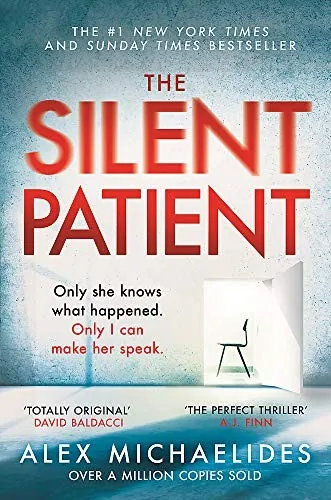
Alcestis is the title of a self-portrait, borrowed from a play by Euripides. It is nearly all Alicia Berenson has offered since the day she shot her husband, Gabriel, because the painter has not spoken since. She is held at The Grove, a secure psychiatric unit. Theo Faber, a psychotherapist, takes a job there because he wants to treat her. Theo narrates, and the book moves between his own life and his sessions with Alicia.
The central reveal is built into that structure. Once you know it, a reread shows exactly how Alex Michaelides arranged the pieces in his debut. It also shows the limits. On a second pass the trick looks more like clever engineering than character, and the supporting cast stays thin, which is why it starts the list instead of topping it.
As a first thriller, at 336 pages, it still does the job well. Content note: a shooting sets up the plot, and mental illness runs through the story.
Pages: 336 (Celadon Books, 2019 edition)First published: 2019Psychological thriller
9. The Turn of the Key, by Ruth Ware
Best for: Fans of eerie houses
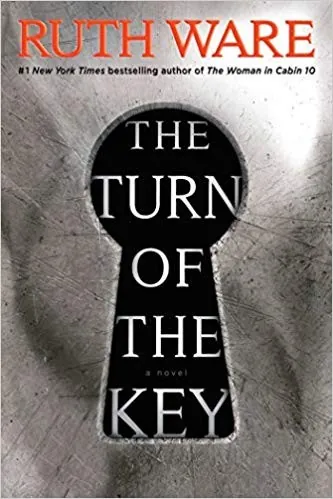
Every page of this novel is written for one reader, a lawyer, and the writer badly needs him on her side. Rowan Caine is awaiting trial. She says she is innocent. Ruth Ware borrows the frame from Henry James's The Turn of the Screw and swaps the ghosts for wiring. The Highlands house where Rowan worked as the family's nanny watches and listens through its own technology.
A child died there. Because Rowan is pleading, every scene she describes serves her defense. A second read makes those choices easy to see, and that is what this list rewards. The weak spot is the ending, which stacks one reveal on another until the last feels rushed. Pick it if a watchful house interests you more than police work. Content note: the death of a child sits at the center of the story.
Pages: 384 (Gallery/Scout Press, 2020 edition)First published: 2019Psychological thriller
8. I Let You Go, by Clare Mackintosh
Best for: Readers who like police detail
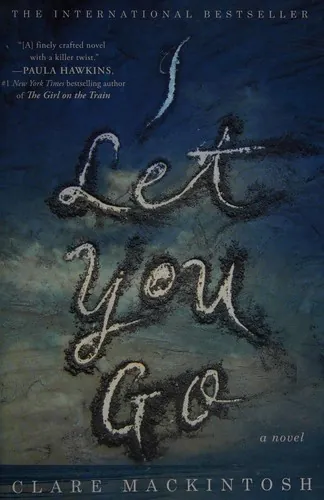
Clare Mackintosh worked as a police officer before she wrote this debut, and it shows in the chapters given to two Bristol detectives. Their case is a hit-and-run on a city street that killed a young boy. Alongside them runs the story of Jenna Gray, who has left Bristol for a cottage on an isolated stretch of the Welsh coast. The investigation scenes carry the weight of real casework.
The book is here for its turn, which changes how you read every chapter before it. Go back afterward and the clues are all in place. It won the Theakston Old Peculier Crime Novel of the Year award in 2016. The alternating chapters cost it some ground, though. Each time the police strand takes over, Jenna's story pauses, and the pace can sag. Content note: the novel opens with the death of a child, and grief runs through it.
Pages: 400 (Berkley, 2016 edition)First published: 2014Psychological thrillerAwards: Theakston Old Peculier Crime Novel of the Year, 2016
7. Before I Go to Sleep, by S. J. Watson
Best for: Fans of unreliable memory
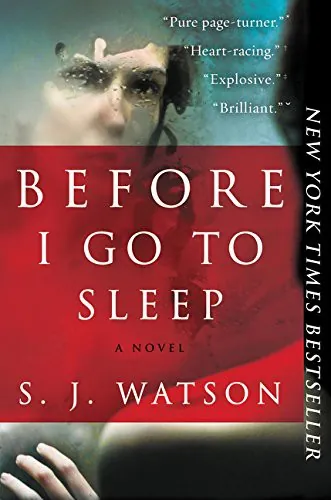
Christine Lucas wakes every morning with no memory of her adult life. Her husband, Ben, explains it to her again each day. A doctor named Nash has urged her to keep a journal in secret, and the journal becomes her only link to yesterday. S. J. Watson turns memory loss into a problem of trust. Christine can only know what she wrote down, and she cannot be sure she wrote the truth.
That setup gives a reread real value, since early entries carry a different weight once you know where they lead. It was Watson's first novel, and it won the CWA John Creasey (New Blood) Dagger in 2011, an award for first books. The catch is repetition. The premise means the opening chapters circle the same ground, and that asks for patience. Fans of locked-room puzzles should try it, because here the locked room is one woman's mind. A film followed in 2014. Content note: the fear of being deceived by someone close drives the whole book.
Pages: 368 (Harper Paperbacks, 2012 edition)First published: 2011Psychological thrillerAwards: CWA John Creasey (New Blood) Dagger, 2011Adaptation: Film, 2014
6. Shutter Island, by Dennis Lehane
Best for: Readers who love clue-hunting
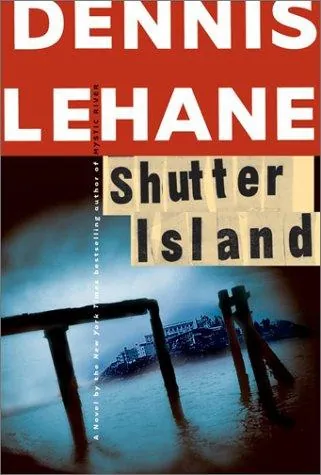
Somewhere on Shutter Island, off Boston, an escaped patient is hiding. Teddy Daniels, a U.S. Marshal and a veteran of the Second World War, comes looking with Chuck Aule, the partner he has only just met. The hospital they visit, Ashecliffe, holds the criminally insane. It is 1954, and soon a hurricane strikes and traps everyone where they are.
Dennis Lehane writes in the spirit of 1950s pulp, with storms, paranoia and doctors who seem to know more than they say. The mood draws you in, but the design matters more here. Lehane plants small oddities in dialogue and setting from the first chapters, and a second read turns them into a trail you can follow. The caveat is fame. If you have seen the 2010 film, the reveal will not surprise you, so read for the clues instead. Content note: the setting is a hospital for violent patients, and the war hangs over its hero.
Pages: 400 (William Morrow Paperbacks, 2021 edition)First published: 2003Psychological thrillerAdaptation: Film, 2010
5. The Talented Mr. Ripley, by Patricia Highsmith
Best for: Readers drawn to antiheroes
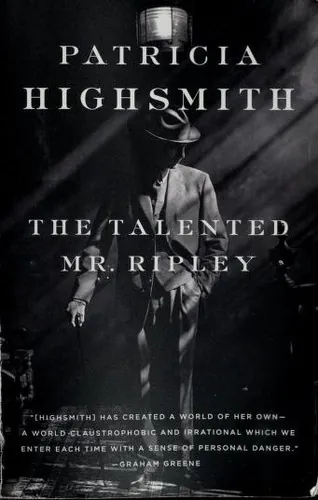
Patricia Highsmith keeps the narration fixed on Tom Ripley, so you see the 1950s exactly as he does. At first that means a young con man scraping by in New York. Then it means a paid trip to Mongibello, a village on the Italian coast. The man paying is Herbert Greenleaf, a shipbuilder who wants his son Dickie brought back from there. Tom takes the job, and soon he wants far more than a fee.
That closeness is the book's quiet trick. There is no single twist to spoil, so it rewards rereading in a different way from the others here. The suspense lies in watching a mind talk itself into anything, and on a second pass you notice how early the signs appear. The pace is slow by modern standards, with long stretches of Italian travel, and that is the main thing against it. It opens the Ripley novels, and screen versions run from Plein Soleil in 1960 to a 2024 Netflix series. Content note: you watch crimes from the criminal's side.
Pages: 288 (W. W. Norton and Company, 2008 edition)First published: 1955Psychological crime novelAdaptation: Film Plein Soleil, 1960; film, 1999; Netflix series Ripley, 2024
4. We Have Always Lived in the Castle, by Shirley Jackson
Best for: A short, strange evening read
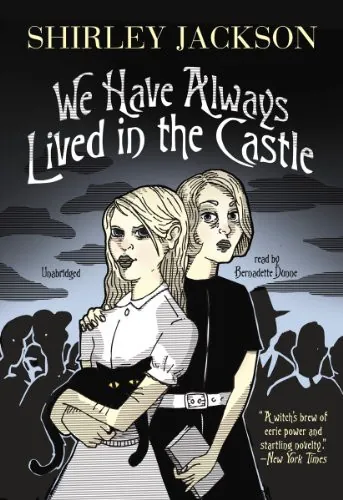
Mary Katherine Blackwood, called Merricat, is 18. She lives with her older sister, Constance, and their Uncle Julian in the family house, and the village wants nothing to do with them. Six years earlier, most of the family died of arsenic poisoning. Constance was tried and acquitted. Merricat tells the story herself, and Shirley Jackson keeps that voice calm and chatty, which is exactly what makes it unnerving.
Then cousin Charles arrives and takes a keen interest in the family money. At 160 pages in the Penguin Classics paperback, this is the shortest pick here and the easiest to reread in one evening. A second pass shows how much Merricat told you from the start. The story stays small and inward, though, and readers who want a strong plot engine may drift. The 2018 film is a fair companion afterward. Content note: past poisonings hang over the book, with nothing graphic on the page.
Pages: 160 (Penguin Classics, 2006 edition)First published: 1962Gothic psychological suspenseAdaptation: Film, 2018
3. Rebecca, by Daphne du Maurier
Best for: Fans of gothic suspense
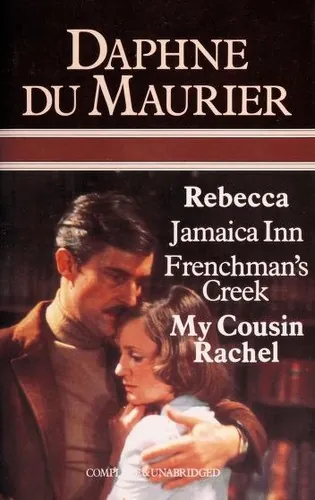
Mrs. Danvers runs the household at Manderley, and her loyalty belongs to a woman who is already dead. Rebecca, the first Mrs. de Winter, died before the novel opens. Her widower, Maxim, has just remarried. His new wife met him in Monte Carlo, where she was earning her keep as a paid companion to a rich woman. She arrives at his house in Cornwall with no idea what waits for her.
She tells the story herself and is never named, which says a great deal about her place there. Daphne du Maurier published it in 1938, making it the oldest book on this list. A second read changes it more than almost any other pick, because scenes that first look like romance turn colder. The opening chapters move slowly, though, and the narrator's timidity tests patience.
The Everyman's Library hardcover runs 456 pages. Screen versions include a 1940 film and a 2020 Netflix film. Content note: a death hangs over the whole book, though nothing graphic happens on the page.
Pages: 456 (Everyman's Library, 2017 edition)First published: 1938Gothic suspenseAdaptation: Film, 1940; Netflix film, 2020
2. Fingersmith, by Sarah Waters
Best for: Readers who want a long con
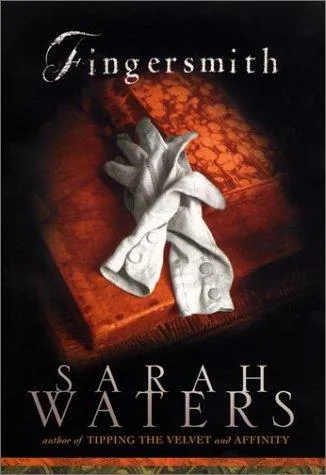
Maud Lilly has money, an uncle and a remote country house, and that makes her a target. A man called Gentleman has a plan to swindle her. Sue Trinder, an orphan Mrs. Sucksby raised among London thieves in the 1860s, has a part to play in it. Sarah Waters splits the novel into three parts with more than one narrator, and that structure is the whole game.
Later sections revisit events from a new angle, so a reread feels like a different novel. It was shortlisted for both the Booker Prize and the Orange Prize for Fiction in 2002. Length is the cost.
It runs to about 600 pages, and the change of narrators means some ground gets covered twice. The BBC One serial from 2005 and the 2016 film The Handmaiden show how well the plot travels. Content note: the story is built on deceiving a vulnerable young woman.
Pages: 600 (Riverhead Books, 2002 edition)First published: 2002Historical psychological thrillerAwards: Shortlisted, Booker Prize, 2002; Shortlisted, Orange Prize for Fiction, 2002Adaptation: BBC One serial, 2005; film The Handmaiden, 2016
1. Gone Girl, by Gillian Flynn
Best for: The best second-read twist
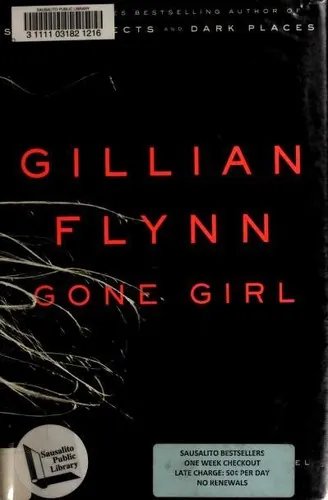
Two voices take turns in this novel. Nick Dunne tells the present, from the small Missouri river town where he lives with his wife, Amy. Amy's side arrives through entries from her diary. And Amy herself is missing, gone from the house on the day they would have marked five years married. Gillian Flynn makes both voices persuasive and both incomplete, and the book depends on that balance. It is our top pick because it holds up on a second read better than anything else here.
Knowing the reveal does not deflate the novel. It sharpens it, since nearly every early chapter turns out to be doing two jobs at once. The prose is quick and often funny about money, media and marriage. The caveat is tone. Nobody stays likable for long, so readers who need a character to root for may struggle.
At 464 pages in the Ballantine paperback, it is long but moves fast. Flynn also wrote the screenplay for the 2014 film. Content note: a disappearance and a marriage under strain, with dark turns.
Pages: 464 (Ballantine Books, 2014 edition)First published: 2012Psychological thrillerAdaptation: Film, 2014
| Rank | Title | Author | Year | Pages | Best for |
|---|---|---|---|---|---|
| 1 | Gone Girl | Gillian Flynn | 2012 | 464 | The best second-read twist |
| 2 | Fingersmith | Sarah Waters | 2002 | 600 | Readers who want a long con |
| 3 | Rebecca | Daphne du Maurier | 1938 | 456 | Fans of gothic suspense |
| 4 | We Have Always Lived in the Castle | Shirley Jackson | 1962 | 160 | A short, strange evening read |
| 5 | The Talented Mr. Ripley | Patricia Highsmith | 1955 | 288 | Readers drawn to antiheroes |
| 6 | Shutter Island | Dennis Lehane | 2003 | 400 | Readers who love clue-hunting |
| 7 | Before I Go to Sleep | S. J. Watson | 2011 | 368 | Fans of unreliable memory |
| 8 | I Let You Go | Clare Mackintosh | 2014 | 400 | Readers who like police detail |
| 9 | The Turn of the Key | Ruth Ware | 2019 | 384 | Fans of eerie houses |
| 10 | The Silent Patient | Alex Michaelides | 2019 | 336 | A fast first thriller |
Frequently asked questions
What makes a thriller psychological rather than a standard crime novel?
The tension comes from minds rather than from the mechanics of an investigation. A psychological thriller asks you to doubt a narrator, a spouse or your own reading of events. A crime may happen, but the real question is who is lying, and to whom. That is why most books on this list stay close to one narrator's point of view.
What is the best psychological thriller book for a first-time reader?
Start with The Silent Patient or The Turn of the Key. Both keep the cast small and build toward a clear reveal. For something shorter and stranger, try We Have Always Lived in the Castle at 160 pages. Gone Girl is the natural next step once you know you like the form.
Are these books worth rereading once you know the twist?
Yes, and that is how we ranked them. Fingersmith and Gone Girl gain the most, because their shifting narrators make earlier scenes read differently. Rebecca and Shutter Island reward a slower second pass that tracks small details. The Silent Patient gains the least, which is part of why it sits at number 10.
Do any of these psychological thrillers contain graphic content?
None of them is built on gore, but several deal with heavy material. The death of a child is central to The Turn of the Key and opens I Let You Go. The Silent Patient begins with a shooting. Each entry ends with a short content note so you can choose with that in mind.